How AI Meeting Summaries Work
Demystifying AI meeting summarization: from speech recognition to NLP and GPT models. Learn what happens behind the scenes when AI takes notes.
Introduction
Ever wondered how AI magically transforms hour-long meetings into concise summaries? This article demystifies the technology behind AI meeting summarization.
The Technology Stack
1. Speech Recognition (ASR)
Converts audio into text using deep neural networks trained on thousands of hours of speech data.
Processing time and quality vary by provider, mode, audio, and language. Confirm the current behavior with a representative recording.
2. Natural Language Processing (NLP)
Understands context, identifies speakers, and extracts meaning from the transcript.
3. Summarization Models
GPT-based models condense the transcript into key points, decisions, and action items.
How It Works Step-by-Step
- Audio Capture: Meeting audio is recorded with high fidelity
- Speech-to-Text: ASR converts speech to text in real-time
- Speaker Diarization: AI identifies "who said what"
- Context Analysis: NLP models understand topics and intent
- Summary Generation: AI extracts key points and decisions
- Action Item Extraction: Identifies tasks and assignees
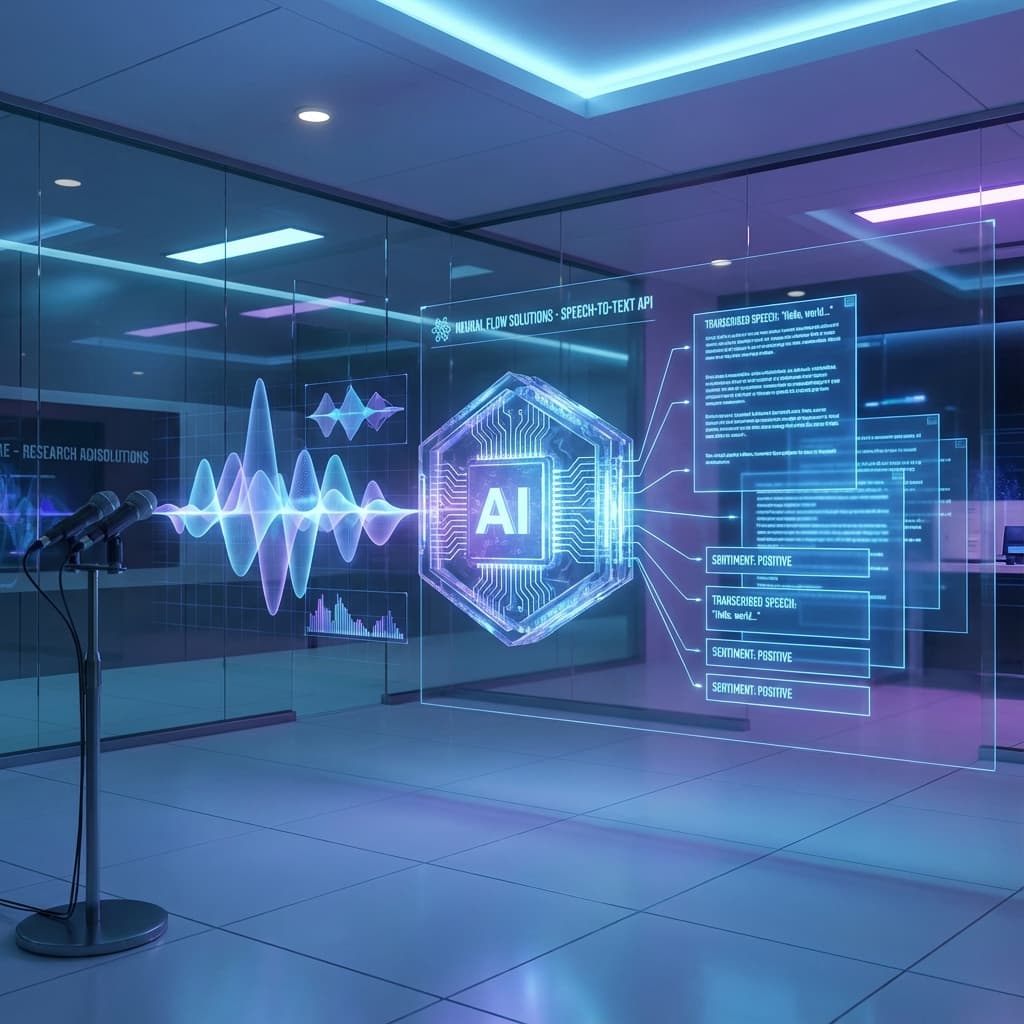
The AI Pipeline Visualized
Conclusion
Modern AI meeting summaries combine multiple technologies to produce draft notes that still need review for important decisions.
Notah presents Arabic and English meeting workflows; verify current language behavior and processing terms before relying on it.
Ready to transform your meetings?
Try Notah and experience AI meeting notes built for bilingual, MENA-focused teams.
Try Notah →Related Articles
Best AI Meeting Notes Tools
Compare leading AI meeting transcription and note-taking tools. Review features, current plan information, trade-offs, and fit for your team.
Arabic Transcription: AI Dialect Recognition
Explore the unique challenges of Arabic speech-to-text, from MSA to regional dialects (Saudi, Gulf, Levantine), and how modern AI overcomes them.